WRITE
Answers on notes first
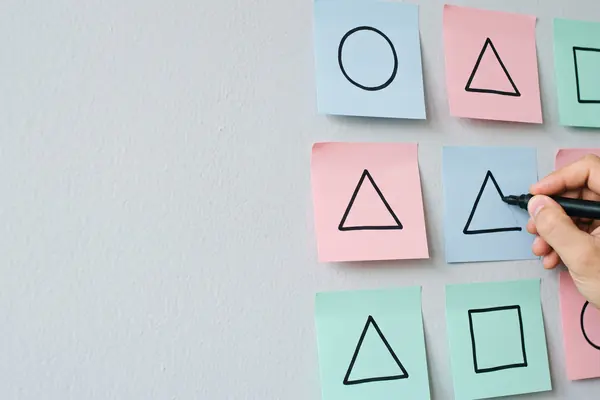
UK government guidance describes a basic retro: the host puts up one note per question, then each person writes answers on notes and sticks them under the right question.
Pick your questions doodlepostitnotes
HOW A RETROSPECTIVE WORKS
A wall, a pad of notes and an honest hour.
A retrospective is a regular meeting where a team looks at what went well and what did not, then agrees a few actions. Writing answers on notes first lets everyone speak, not just the loudest voice in the room.
WELL · BADLY · PUZZLED then decide actions
Pick your questionsTHE SHORT ANSWER
The notes give everyone a voice.
The actions make the hour count.
WRITE
UK government guidance describes a basic retro: the host puts up one note per question, then each person writes answers on notes and sticks them under the right question.
Pick your questionsASK
Suggested topics include what went well, what went badly, what is puzzling the team and who the team wants to thank. Choose three or four.
Run oneACT
The guidance says to turn problems into actions, give each one to a named person and aim to finish them before the next retro.
Does it work?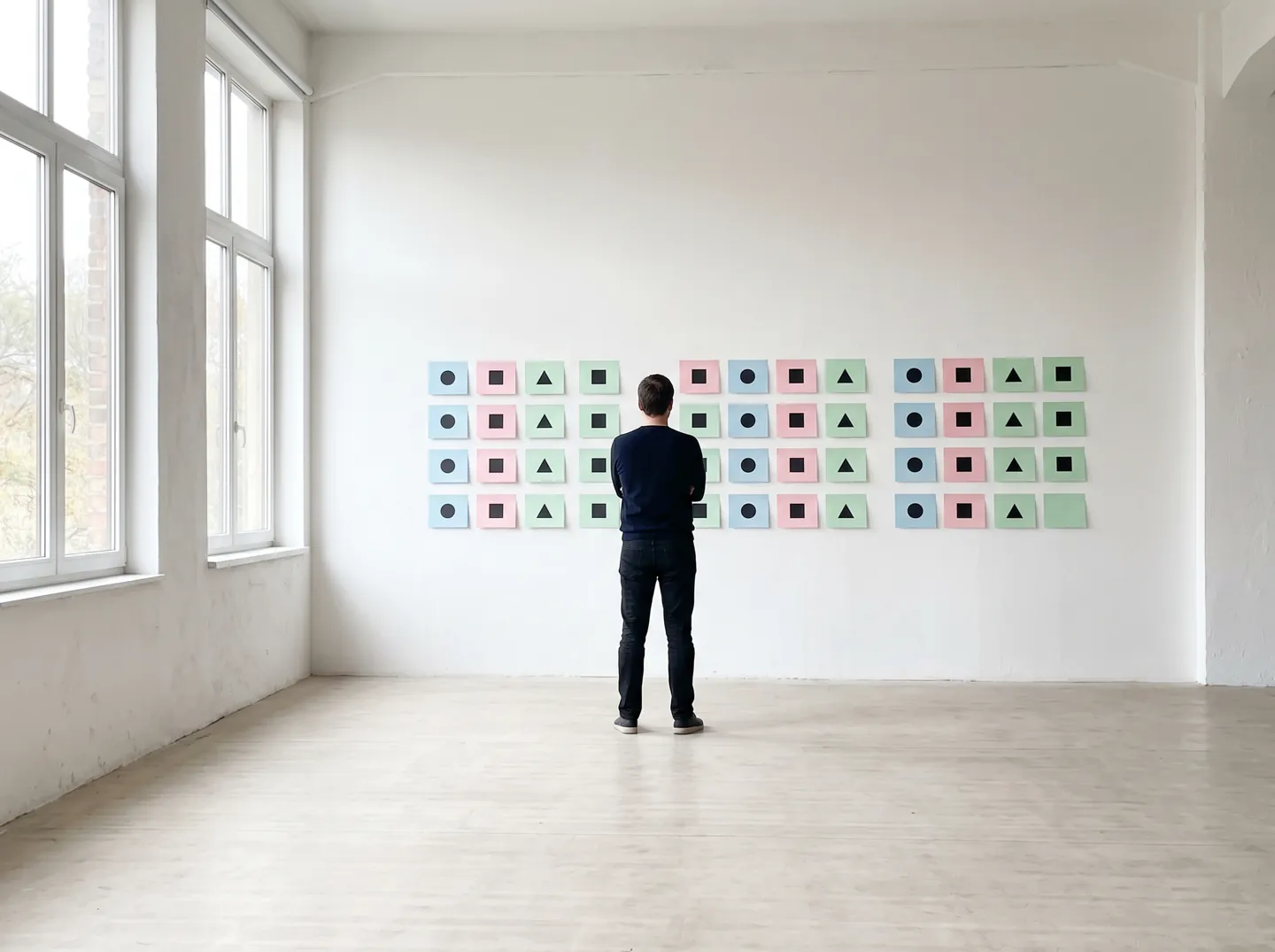
FOUR STEPS TO A FIRST RETRO
You need a host, a wall, a pad of notes per person and thick pens. Everything else is a habit.
Open with Norm Kerth's ground rule: assume everyone did the best job they could with what they knew at the time. It keeps the talk on the work, not on blame.
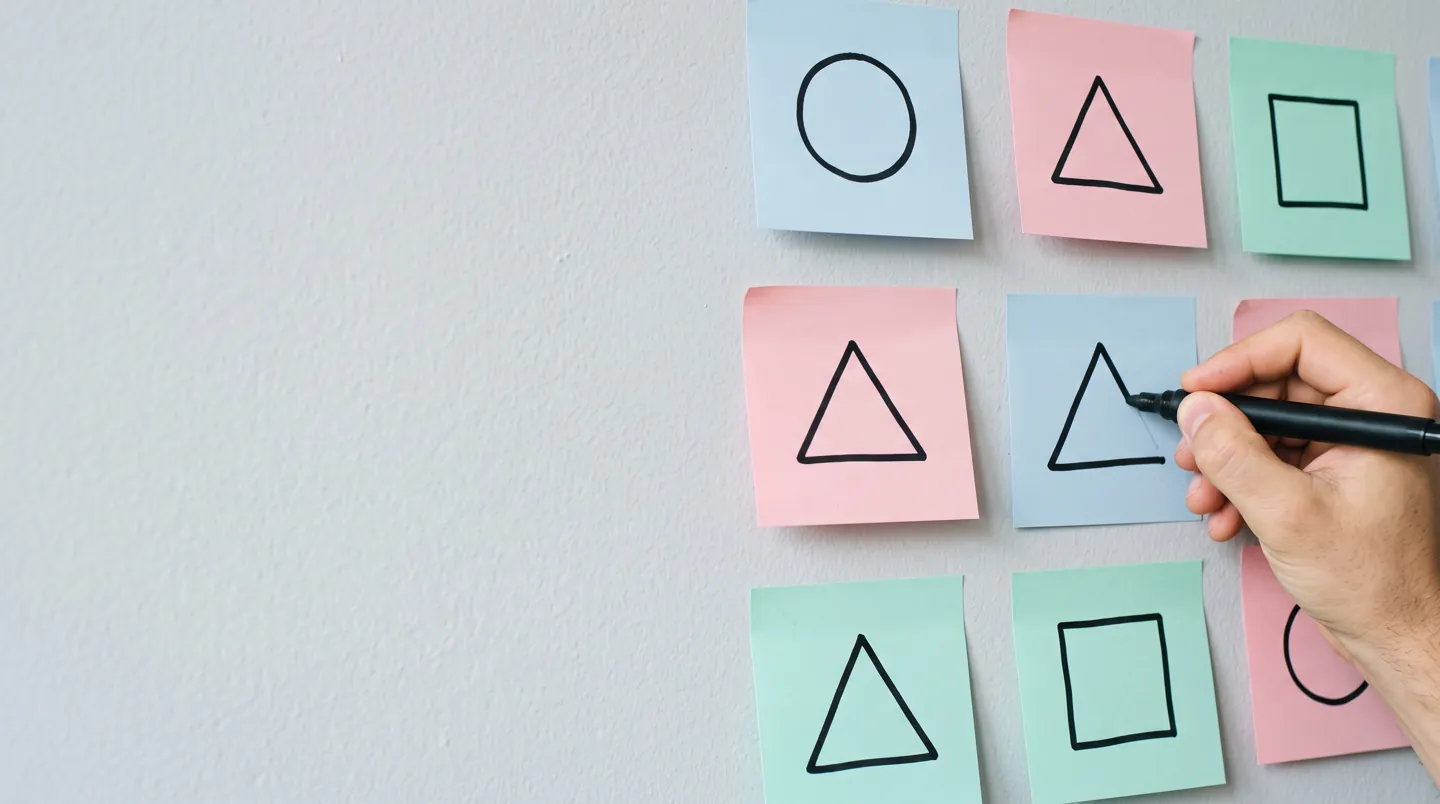
One note per question across the top of the wall, for example went well, went badly, puzzling and thanks. Give each question its own colour.
Everyone writes one answer per note and sticks them under the right question. Then the group reads the wall and talks through what stands out.
Turn the biggest problems into a short list of actions, each with a named owner, and check them at the start of the next retro.
TWO NUMBERS WORTH KNOWING
One figure on what debriefs achieve,
one on how much time to give a retro.
≈ 25%
Improvement over teams that did not debrief
Tannenbaum and Cerasoli pooled 46 samples (2,136 people) in 2013. On average, debriefs improved effectiveness over a control group by about 25%, with similar results for teams and individuals, medical and non-medical groups.
DEBRIEFS · META-ANALYSIS
60–90 min
Suggested length of a team retro
UK government guidance suggests allowing 60 to 90 minutes, in a private space where you can stick notes to the wall. The Scrum Guide caps a retrospective at three hours for a one-month sprint.
TIME · GOV.UK
The meta-analysis authors concluded that organisations can improve individual and team performance by about 20 to 25% with properly conducted debriefs, and that facilitation and structure may matter.
CHOOSE A QUESTION
Pick a question to put on the wall. The bar shows how much discussion it tends to need afterwards, from a quick round to a longer conversation.
Questions from the GOV.UK Service Manual and the Scrum Guide. The bar is a planning guide for time, not a score.
THE GROUND RULE
The best-known retrospective ground rule comes from Norm Kerth's handbook on project retrospectives: whatever we discover, we believe everyone did the best job they could, given what they knew, their skills, the resources and the situation.
GOV.UK guidance makes the same point in plainer words: a retro needs an open atmosphere where everyone can speak honestly and trust that colleagues will listen. Hosts are advised to pick broad questions that let the team set the agenda.
Questions
A regular meeting where a team talks about what is going well and what is not, usually at the end of a piece of work, so it can fix problems and keep doing what works.
GOV.UK guidance suggests 60 to 90 minutes. The Scrum Guide sets a maximum of three hours for a one-month sprint and says shorter sprints usually need less.
In the basic format GOV.UK describes, everyone writes their own answers and sticks them on the wall before the discussion, so each person's view is on the wall before the talking starts.
A 2013 meta-analysis of 46 samples found debriefs improved effectiveness by about 25% on average compared with control groups, for both teams and individuals.
Yes. GOV.UK guidance says a team wall can be a physical wall or a digital board used remotely, and its stand-up advice asks for tools that let remote colleagues take part.
Updated
ABOUT THIS NAME
doodlepostitnotes.com is part of the DoodleSale portfolio. It isn't in an auction right now, but you can ask about leasing it.